

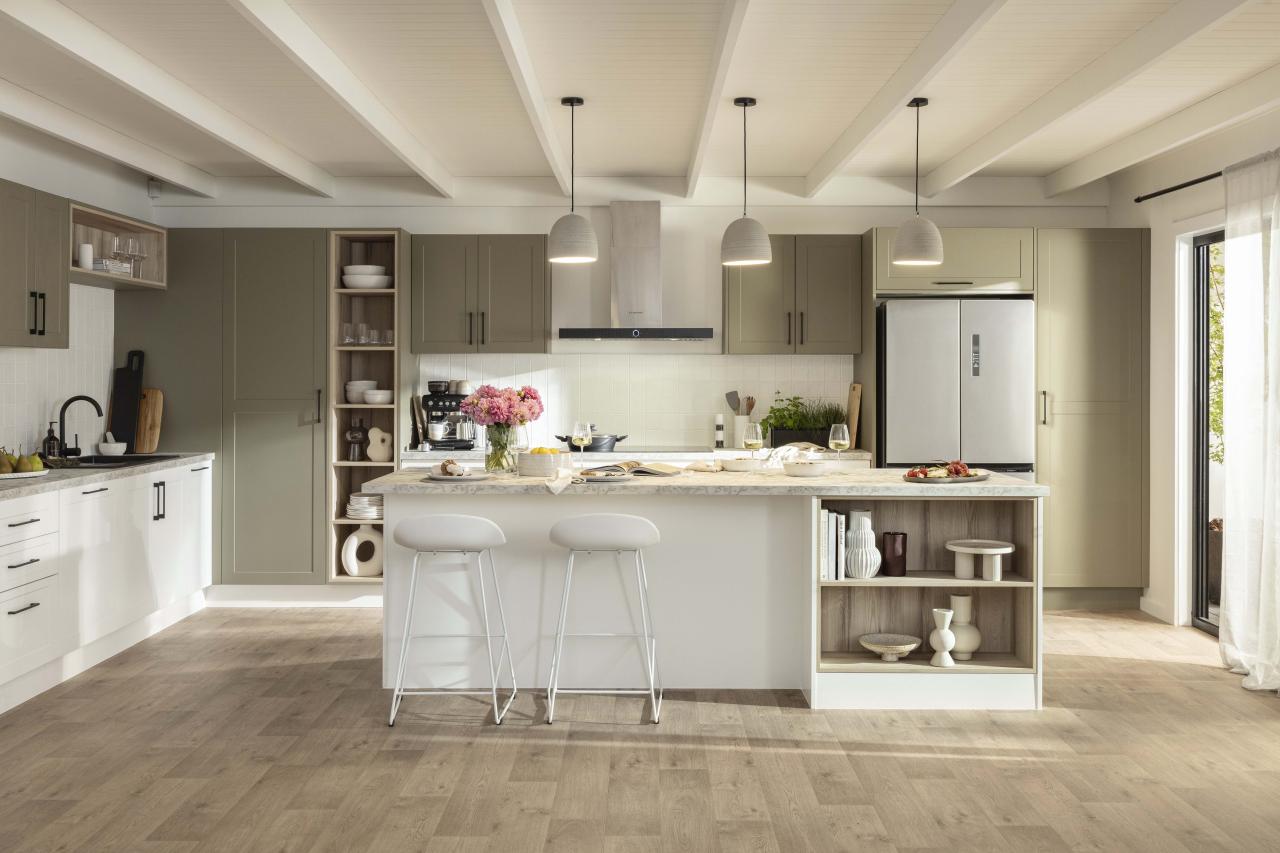
Embark on your DIY kitchen journey with 'DIY Kitchens: How to Achieve a Designer Look on a Modest Budget.' This guide is here to help you transform your kitchen into a stylish space without breaking the bank.
Let's delve into the essentials of DIY kitchen design, from planning and maximizing space to choosing cost-effective materials and incorporating upcycled elements for a unique touch.
Overview of DIY Kitchens
DIY kitchens have gained popularity due to their cost-effectiveness and the sense of accomplishment they bring to homeowners. By taking a hands-on approach to designing and renovating their kitchen spaces, individuals can achieve a personalized and designer look without breaking the bank.
Benefits of Opting for a DIY Approach in Kitchen Design
- Cost Savings: DIY projects typically eliminate labor costs, allowing homeowners to save money and allocate their budget towards high-quality materials and finishes.
- Creative Freedom: DIY kitchens offer the opportunity for homeowners to unleash their creativity and personalize every aspect of their kitchen design according to their preferences.
- Sense of Achievement: Completing a DIY kitchen project can be incredibly rewarding, instilling a sense of pride and accomplishment in homeowners.
- Customization: With a DIY approach, individuals have the flexibility to customize their kitchen layout, color scheme, and overall design to suit their unique style and needs.
Successful DIY Kitchen Transformations on a Budget
Many homeowners have successfully transformed their kitchens on a modest budget by incorporating DIY elements into their design process. From painting cabinets and installing new hardware to creating custom storage solutions, the possibilities for achieving a designer look without overspending are endless.
Planning Your DIY Kitchen Design
Before embarking on your DIY kitchen project, it is crucial to plan meticulously to ensure a successful outcome that aligns with your vision and budget.
Setting a Realistic Budget
When setting a budget for your DIY kitchen renovation, consider factors such as the cost of materials, labor, and any unexpected expenses that may arise during the project. It is essential to set a realistic budget that accounts for these variables to avoid overspending.
Choosing a Design Style
When choosing a design style for your DIY kitchen, consider your personal preferences, lifestyle, and budget constraints. Whether you prefer a modern, minimalist look or a cozy, traditional feel, selecting a design style that aligns with your vision will ensure a cohesive and aesthetically pleasing result.
Maximizing Space and Storage Solutions
When working with a small kitchen, it is essential to maximize the space efficiently to ensure functionality and comfort. By exploring creative ways to optimize space and incorporating innovative storage solutions, you can keep your kitchen organized and clutter-free. Here are some DIY ideas to help you customize storage options to suit your needs:
Utilizing Vertical Space
- Install open shelves or hanging racks on walls to store pots, pans, and utensils, freeing up cabinet space.
- Use magnetic strips on the wall to hold knives or metal spice containers, saving valuable drawer space.
Drawer and Cabinet Organization
- Invest in drawer dividers and organizers to keep cutlery, cooking tools, and kitchen gadgets neatly arranged.
- Consider pull-out shelves or racks in cabinets to maximize storage and easily access items at the back.
Clever Storage Solutions
- Use stackable bins or baskets inside cabinets to group similar items and maximize space.
- Install a pegboard on a wall to hang pots, pans, and cooking utensils, freeing up cabinet space and keeping them within reach.
Choosing Cost-Effective Materials and Finishes

When it comes to achieving a designer look for your kitchen on a modest budget, choosing the right materials and finishes is key. By selecting cost-effective options, you can create a stylish space without breaking the bank.
Affordable Materials for a Designer Look
One way to save money while still achieving a high-end look in your kitchen is to opt for affordable materials that mimic more expensive options. For example, laminate countertops can provide the look of marble or granite at a fraction of the cost. Additionally, vinyl flooring can replicate the appearance of hardwood or tile without the hefty price tag.
Pros and Cons of Different Countertop Materials
- Laminate: Affordable and available in a wide range of colors and patterns. However, it can be prone to scratches and burns.
- Butcher Block: Adds warmth and character to the kitchen. Requires regular sealing and maintenance.
- Quartz: Durable and low-maintenance, but can be more expensive than other options.
- Tile: Budget-friendly and customizable, but grout lines can be difficult to keep clean.
Selecting Finishes for Cabinets and Flooring
When choosing finishes for your cabinets and flooring, prioritize durability and ease of maintenance. Opt for materials that can withstand the wear and tear of daily use, such as painted wood cabinets or vinyl plank flooring. These options are not only cost-effective but also easy to clean and maintain over time.
Upcycling and Repurposing in Kitchen Design
Upcycling and repurposing materials in DIY kitchen projects can offer a range of benefits beyond just cost savings. It allows you to add a unique and personalized touch to your kitchen design while also promoting sustainability by giving new life to old items.Creative Ideas for Repurposing in Kitchen Design
- Transforming old wooden crates into shelves or storage units can add a rustic charm to your kitchen while providing functional storage space.
- Repurposing an old dresser or cabinet by painting it in a fresh color and adding new hardware can turn it into a stylish kitchen island or storage cabinet.
- Using salvaged wood to create open shelving or a reclaimed wood countertop can bring warmth and character to your kitchen design.
Benefits of Upcycling in Kitchen Design
- Upcycling allows you to create a one-of-a-kind kitchen that reflects your personal style and creativity.
- Repurposing materials can help reduce waste and lessen the environmental impact of your kitchen renovation.
- By upcycling and repurposing items, you can save money on expensive new materials while still achieving a designer look in your kitchen.
Epilogue
In conclusion, 'DIY Kitchens: How to Achieve a Designer Look on a Modest Budget' offers a roadmap to revamp your kitchen affordably. With careful planning and a dash of creativity, you can create a designer kitchen that reflects your style and personality.
FAQ Overview
How important is planning in a DIY kitchen project?
Planning is crucial as it helps you stay organized, set a budget, and ensure a successful outcome for your kitchen renovation.
What are some cost-effective materials for achieving a designer look in the kitchen?
Materials like laminate, vinyl, and butcher block can provide a stylish appearance without breaking the bank.
Why is upcycling beneficial in DIY kitchen projects?
Upcycling allows you to add unique touches to your kitchen, reduce waste, and save money by repurposing existing materials.