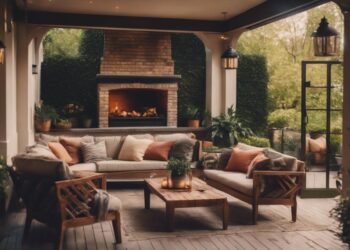

Beginning with The Signature Style of Ventura Interior Design: A Deep Dive into Texture and Light, the narrative unfolds in a compelling and distinctive manner, drawing readers into a story that promises to be both engaging and uniquely memorable.
As we delve into the world of Ventura Interior Design, we uncover the intricate interplay of texture and light that defines their signature style, creating spaces that are not just visually appealing but also emotionally resonant.
Understanding the Signature Style of Ventura Interior Design
Ventura Interior Design is known for its unique signature style that sets it apart from other interior design firms. One of the key elements that define this style is the emphasis on texture and light, creating spaces that are not only visually appealing but also evoke a sense of warmth and comfort.Key Elements of Ventura Interior Design's Signature Style
Texture and light play a crucial role in defining the signature style of Ventura Interior Design. By carefully selecting materials with varying textures and incorporating different lighting techniques, the designers at Ventura create spaces that are rich in depth and dimension.
- Texture: Ventura Interior Design uses a mix of textures such as smooth fabrics, rough wood, and shiny metals to add visual interest and tactile appeal to their designs. This layering of textures brings a sense of sophistication and luxury to the space.
- Light: Light is another essential element in Ventura's design philosophy. By strategically placing lighting fixtures and utilizing natural light sources, they are able to enhance the textures in the space and create a play of light and shadow that adds depth and drama to the interiors.
Philosophy Behind Emphasizing Texture and Light
The emphasis on texture and light in Ventura Interior Design's style is rooted in the belief that these elements are instrumental in creating an inviting and harmonious environment. Texture adds a tactile quality to the space, making it more engaging and inviting, while light helps to highlight the textures and create a dynamic atmosphere.
Importance of Texture in Ventura Interior Design
Texture plays a crucial role in Ventura Interior Design as it helps create depth, visual interest, and adds a tactile element to interior spaces. The incorporation of various textures can significantly impact the ambiance and tone of a room, enhancing the overall design aesthetic.Examples of Texture in Ventura Interior Design Projects
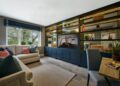
- Use of plush velvet upholstery on a sofa paired with a sleek marble coffee table to create a luxurious yet balanced look.
- Integration of rough-textured stone accent walls in combination with smooth wooden flooring for a harmonious contrast.
- Layering different textures such as soft area rugs, knit throws, and silk curtains to add warmth and dimension to a space.
Impact of Texture on Room Ambiance
The choice of textures in Ventura Interior Design projects can influence the mood of a room. For example, incorporating soft and fuzzy textures like shaggy rugs and plush cushions can create a cozy and inviting atmosphere in a living room. On the other hand, using sleek and shiny textures like glass and metal accents can bring a modern and sophisticated feel to a space.
Utilizing Light as a Design Element
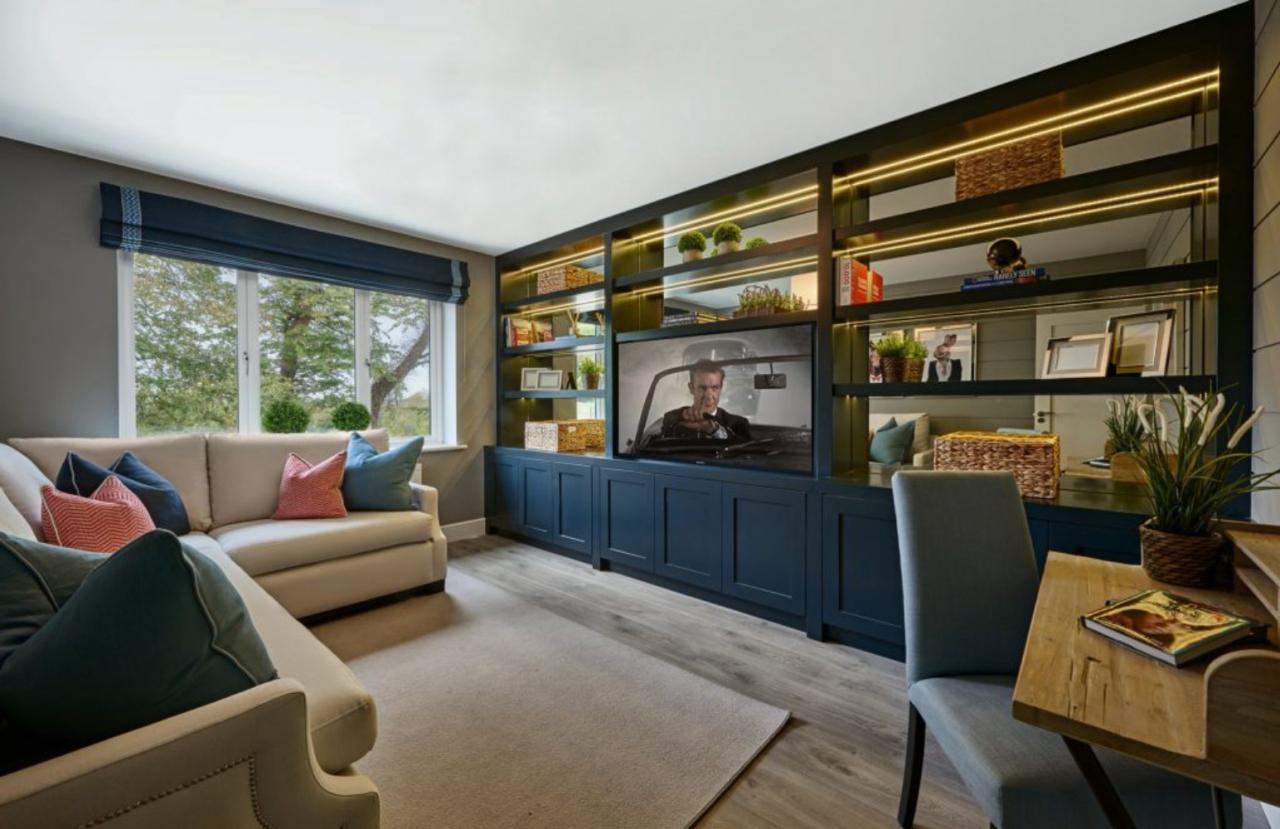 Light plays a crucial role in Ventura Interior Design projects, serving as a key design element that can enhance the overall aesthetic and ambiance of a space. By strategically incorporating various lighting techniques and fixtures, designers can create a harmonious balance between light, texture, and other design elements.
Different Lighting Techniques and Fixtures
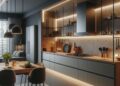
- Task Lighting: Task lighting fixtures such as pendant lights or under-cabinet lights are used to illuminate specific areas for functional purposes, like reading or cooking.
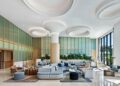
- Ambient Lighting: Ambient lighting, like recessed lights or chandeliers, provides overall illumination to create a warm and inviting atmosphere in a room.
- Accent Lighting: Accent lighting fixtures, such as wall sconces or track lights, are used to highlight architectural features, artwork, or specific areas to add depth and visual interest.
Relationship Between Light, Texture, and Aesthetic
Light and texture have a symbiotic relationship in interior design. The interplay between light and different textures can create visual depth, enhance the tactile feel of materials, and evoke certain emotions within a space. For example, soft lighting can highlight the intricate details of a textured wall, while harsh lighting can create dramatic shadows that emphasize the ruggedness of a stone surface. By carefully controlling the intensity, color temperature, and direction of light, designers can sculpt the visual and sensory experience of a room, ultimately contributing to the unique signature style of Ventura Interior Design.Balancing Texture and Light for Harmonious Design
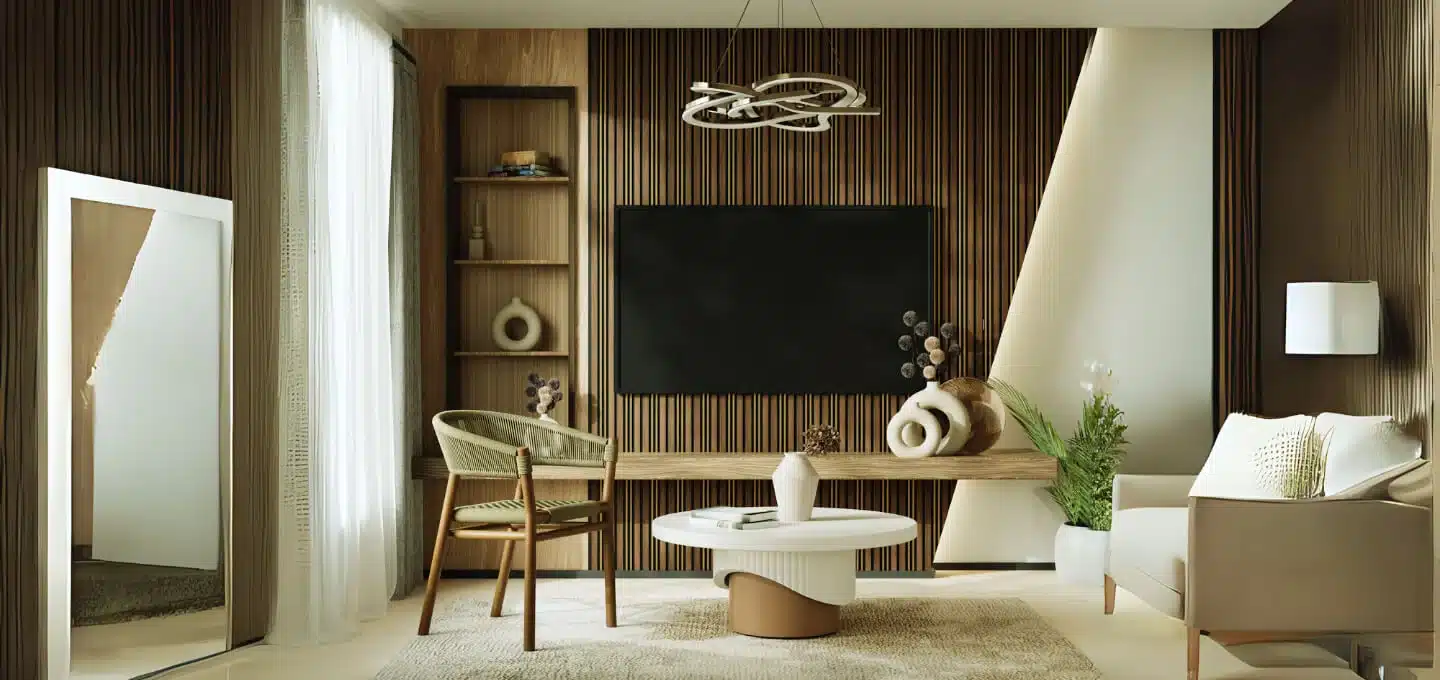
When it comes to interior design, balancing texture and light is crucial to creating a harmonious space that is both visually appealing and functional. Finding the right combination of textures and lighting can transform a room from ordinary to extraordinary, enhancing the overall aesthetic and mood.
Tips for Balancing Texture and Light Effectively
- Consider the function of the space: Different rooms require different lighting and textures based on their purpose. For example, a cozy living room may benefit from soft, textured fabrics and warm ambient lighting, while a bright, airy kitchen could use sleek surfaces and ample natural light.
- Layer textures and lighting: Create depth and interest by layering different textures and lighting sources. Mix rough textures with smooth surfaces and vary lighting levels to add dimension to the space.
- Use lighting to highlight textures: Strategic lighting can emphasize the textures in a room, drawing attention to architectural features, artwork, or furniture. Play with light angles and intensity to showcase the unique textures in your design.
Challenges and Benefits of Integrating Texture and Light
Integrating texture and light seamlessly in interior design comes with its own set of challenges and benefits. While it may require careful planning and execution, the results can be truly transformative.
- Challenges:
Ensuring that the textures and lighting complement each other without overwhelming the space
Finding the right balance between natural and artificial light sources
Managing the color temperature of the lighting to enhance the textures in the room
- Benefits:
Creating a visually dynamic and inviting space
Enhancing the overall ambiance and mood of the room
Adding depth and character to the design
Examples of Successful Projects
Successful interior design projects often showcase a harmonious balance between texture and light. Here are some examples of projects where texture and light work together seamlessly:
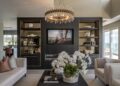
- A modern living room featuring a mix of plush velvet upholstery and sleek metal finishes, illuminated by a combination of recessed lighting and statement pendant fixtures.
- A cozy bedroom with soft, textured bedding and warm wood accents, bathed in soft ambient light from bedside sconces and a central ceiling fixture.
- An elegant dining room with a mix of matte and glossy surfaces, enhanced by natural light streaming in through large windows and accentuated by a crystal chandelier.
Epilogue
In conclusion, The Signature Style of Ventura Interior Design: A Deep Dive into Texture and Light showcases how the thoughtful incorporation of texture and light can transform a space into a harmonious blend of aesthetics and functionality.
Essential FAQs
What sets Ventura Interior Design's style apart?
Ventura Interior Design stands out for its meticulous attention to texture and light, creating spaces that are not just visually stunning but also deeply immersive.
How does texture play a role in Ventura Interior Design projects?
Texture in Ventura Interior Design adds layers of depth and visual interest, elevating the overall ambiance of a room to new heights.
What lighting techniques does Ventura Interior Design use to enhance their signature style?
Ventura Interior Design employs a variety of lighting techniques and fixtures to sculpt spaces, ensuring that light interacts harmoniously with texture to create captivating environments.