
Ventura Interior Design for Boutique Hotels: Creating Memorable Guest Experiences sets the stage for this enthralling narrative, offering readers a glimpse into a story that is rich in detail and brimming with originality from the outset.
As we delve into the world of boutique hotel interior design, we uncover the key elements and strategies that contribute to unforgettable guest experiences.
Importance of Interior Design in Boutique Hotels
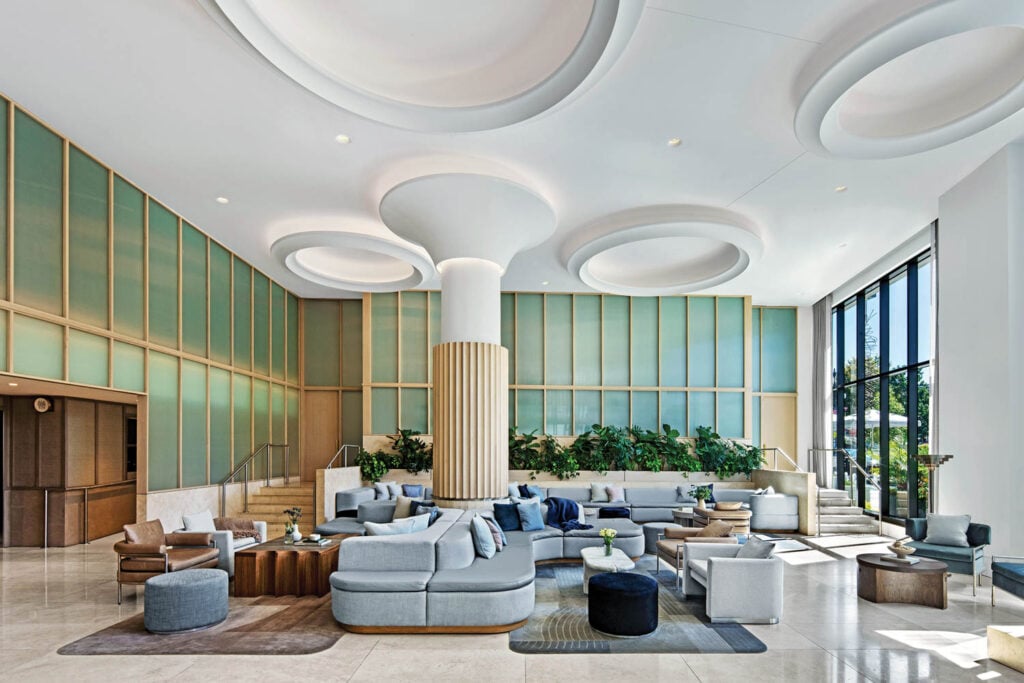 Interior design plays a crucial role in shaping the overall guest experience in boutique hotels. From the moment a guest walks into the lobby to the design of each individual room, every detail contributes to the ambiance and atmosphere that guests will remember long after their stay.
Enhancing Guest Experience
Interior design sets the tone for the entire guest experience in boutique hotels. The careful selection of colors, textures, furniture, and decor elements can create a welcoming and luxurious environment that makes guests feel relaxed and pampered. For example, the use of warm tones, soft lighting, and plush furnishings can create a cozy and inviting atmosphere, while modern and sleek design elements can appeal to a more contemporary and sophisticated clientele.Examples of Exceptional Interior Design
Boutique hotels like The NoMad Hotel in New York City and The Siren Hotel in Detroit are known for their exceptional interior design that blends historic charm with modern aesthetics. The NoMad Hotel features a grand atrium with a soaring ceiling, plush velvet furnishings, and a stunning library bar that exudes old-world elegance. On the other hand, The Siren Hotel embraces a more eclectic and artistic style with vibrant colors, unique patterns, and curated vintage pieces that create a one-of-a-kind experience for guests.Creating Unique Identity
Interior design is instrumental in creating a unique identity for boutique hotels. By carefully curating every aspect of the design, from the lobby to the guest rooms, boutique hotels can differentiate themselves from larger chain hotels and create a distinct brand image. Whether it's a boutique hotel with a minimalist Scandinavian aesthetic or a bohemian-chic retreat, the interior design plays a key role in establishing a memorable and recognizable identity that resonates with guests.Elements of Ventura Interior Design
Ventura interior design in boutique hotels is characterized by a unique blend of modern elegance and timeless sophistication. The key elements that define this style include carefully curated color schemes, strategic lighting design, and the use of textures, materials, and furniture to create a luxurious ambiance that leaves a lasting impression on guests.Color Schemes and Lighting
Color schemes in Ventura interior design typically revolve around a neutral palette with pops of bold colors to add depth and visual interest. Lighting plays a crucial role in enhancing the overall ambiance of the space, with a focus on both natural light and strategically placed artificial lighting to create a warm and inviting atmosphere.Textures, Materials, and Furniture
The use of textures, materials, and furniture in Ventura interior design is carefully curated to evoke a sense of luxury and comfort. Soft fabrics, plush carpets, and rich wood finishes are often incorporated to add warmth and sophistication to the space. High-quality materials and custom-designed furniture pieces are chosen to complement the overall design aesthetic and create a cohesive look throughout the boutique hotel.Designing Spaces for Memorable Guest Experiences
Creating a memorable guest experience goes beyond just aesthetics; it involves thoughtful design strategies that engage and delight guests from the moment they step into the hotel.Lobby Design Strategies
When designing the lobby area, it is crucial to create a welcoming and visually striking space that sets the tone for the guest's stay. Here are some strategies to consider:- Use a mix of textures and materials to add depth and interest to the space.
- Incorporate comfortable seating areas that encourage social interaction and relaxation.
- Integrate elements of nature, such as indoor plants or water features, to create a sense of tranquility.
- Utilize lighting to create ambiance and highlight key design elements.
Room Layout and Furniture Arrangement
The layout and arrangement of furniture in guest rooms play a significant role in enhancing comfort and functionality. Consider the following tips:- Optimize space by ensuring there is enough room to move around freely.
- Select furniture pieces that are both stylish and comfortable to enhance the guest's overall experience.
- Pay attention to the placement of amenities and ensure they are easily accessible to guests.
- Personalize the space by incorporating unique design elements that reflect the hotel's brand and aesthetic.
Incorporating Local Culture and Heritage
Infusing elements of local culture and heritage into the interior design can help create a sense of place and authenticity for guests. Here are some ways to achieve this:- Showcase local artwork, crafts, or traditional textiles that reflect the region's heritage.
- Use color schemes inspired by the local landscape or cultural motifs to create a cohesive design theme.
- Include locally sourced materials or artisanal pieces to support the community and add a unique touch to the decor.
- Create experiential spaces that offer guests a glimpse into the local traditions and customs, such as a tea ceremony or cooking class.
Incorporating Sustainability in Interior Design
Integrating sustainability into interior design practices in boutique hotels is crucial in today's environmentally conscious world. By incorporating eco-friendly materials and design choices, boutique hotels can not only reduce their carbon footprint but also create a unique and memorable guest experience.
Relevance of Sustainable Design Practices
Sustainable design practices in boutique hotels help in conserving resources, reducing waste, and promoting a healthier environment for both guests and staff. By using energy-efficient lighting, recycled materials, and water-saving fixtures, hotels can minimize their impact on the environment while providing guests with a comfortable and eco-friendly stay.
Eco-Friendly Materials and Design Choices
- Utilizing reclaimed wood for furniture and decor
- Opting for organic fabrics and materials
- Installing energy-efficient appliances and fixtures
- Incorporating living green walls for natural air purification
Examples of Boutique Hotels Embracing Sustainability
1. 1 Hotel Brooklyn Bridge in New York City: This hotel features reclaimed materials, eco-friendly amenities, and a LEED-certified design, creating a sustainable and luxurious atmosphere for guests.
2. Bardessono Hotel and Spa in Napa Valley: Known for its commitment to sustainability, this hotel incorporates solar panels, energy-efficient systems, and organic linens to provide guests with a green and upscale experience.
Last Recap
In conclusion, Ventura Interior Design for Boutique Hotels: Creating Memorable Guest Experiences showcases the artistry and thoughtfulness behind designing spaces that leave a lasting impact on guests, elevating their stay to a truly exceptional level.
Helpful Answers
How does interior design impact guest experiences in boutique hotels?
Interior design sets the tone, influences ambiance, and creates a memorable atmosphere for guests, enhancing their overall stay.
What are some key elements of Ventura interior design in boutique hotels?
Key elements include unique color schemes, impactful lighting, luxurious textures, materials, and furniture that create a sense of luxury and sophistication.
Why is sustainability important in interior design for boutique hotels?
Sustainability promotes eco-friendly practices, contributes to a unique guest experience, and aligns with modern environmental consciousness.